
 EN
EN

What to Check When Selecting a 5-Axis CNC Machining Company
Evaluate the Company’s Experience in 5-Axis CNC Machining
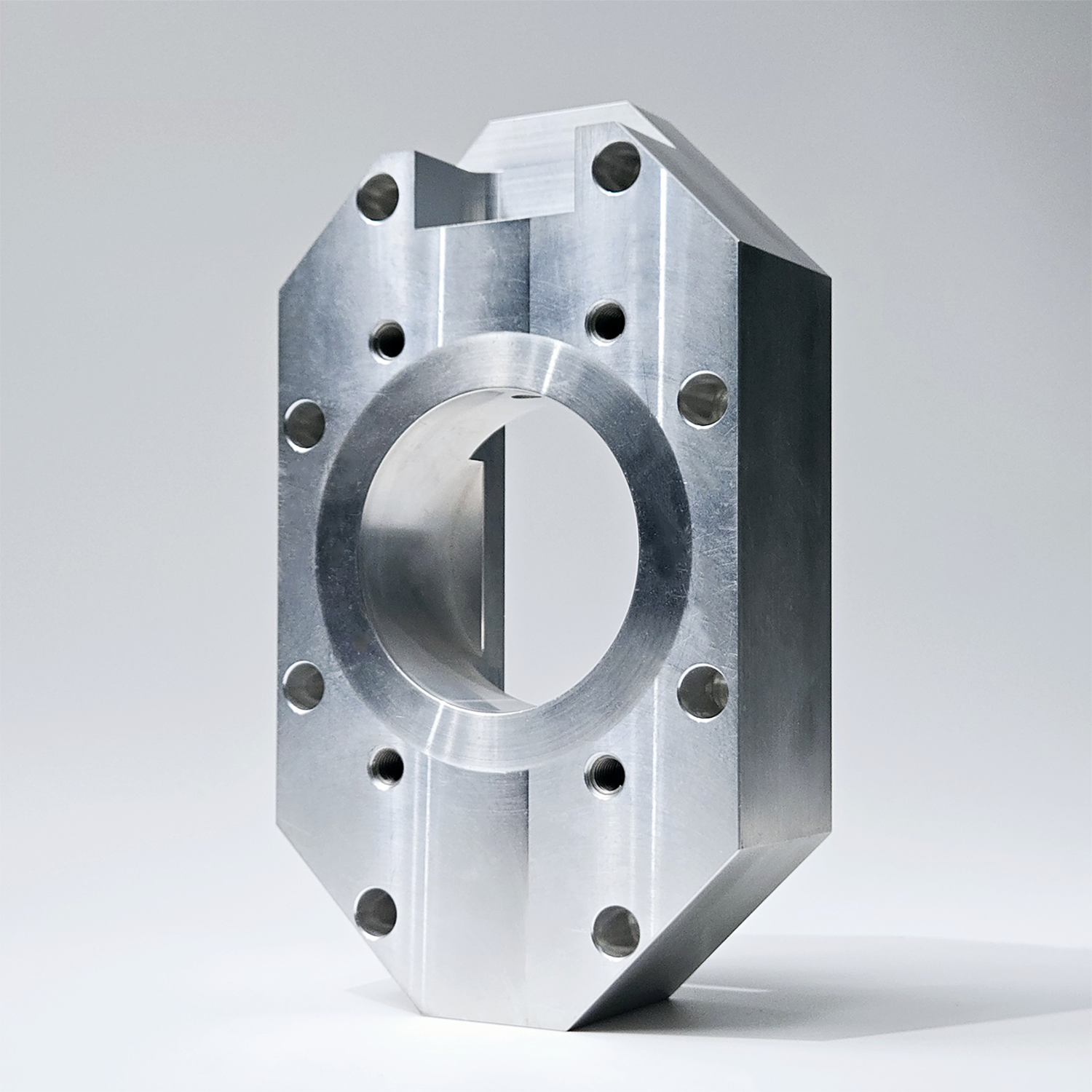
How Years of Specialized Experience Impact Machining Precision
Companies that have been doing 5 axis CNC machining for more than ten years cut down on size mistakes by around 60 percent when compared to newer shops according to research from the Precision Machining Institute back in 2023. Their deep knowledge lets them fine tune those cutting routes and adjust tool positions again and again until everything fits just right something absolutely necessary for parts where tolerances matter a lot such as turbine blades needing measurements within plus or minus 0.005 millimeters. When looking for good partners, check if they hold both ISO 9001 and AS9100 certificates because these standards actually make a difference in real world results. Studies show certified facilities see roughly 87 percent fewer shape problems in their aerospace work, so it's worth asking about during vendor selection processes.
Importance of Industry-Specific Case Studies in Aerospace and Medical Fields
Experience in regulated sectors really speaks volumes about a company's capabilities. Medical device makers often see their regulatory approval times cut down by around 78% when they partner with CNC shops that know their way around titanium alloys. When looking at aerospace applications, it's crucial to find partners who can handle those super delicate parts like those aluminum brackets with walls thinner than 0.8 mm without causing any warping issues. Be wary of any vendor who can't show actual proof of work that meets FDA requirements or follows AS9100 standards. These aren't just random certifications after all; they're what keep track of everything and maintain proper control throughout the manufacturing process.
Red Flags: Signs of Insufficient 5-Axis Operational History
- Inability to provide machine maintenance logs covering more than three years
- No post-process inspection reports for multi-axis jobs
- Generic portfolios lacking industry-specific performance benchmarks
Companies with unverified track records exhibit triple the defect rates in curved-surface machining (Journal of Advanced Manufacturing, 2023). Validate claims through third-party audits or client references from precision-critical sectors.
Assess Advanced CNC Machining Capabilities and Equipment
Key Features to Look for in Modern 5-Axis CNC Machines
For modern 5 axis CNC systems to handle those intricate shapes like turbine blades or orthopedic implants, they need to move all axes at once while hitting sub 5 micron accuracy standards. The key stuff? Adaptive thermal compensation that stops materials from warping during processing, plus those high speed spindles spinning over 24 thousand RPM which work best on aluminum and titanium alloys. Machines with built in probing capabilities cut down setup mistakes by around two thirds when compared to old school manual alignment techniques according to recent studies from the machine tool industry in 2024. And here's something manufacturers should keep in mind: skip any system lacking linear motor drives or real time vibration monitoring because without these components, cycle times tend to stretch out about 22 percent longer in aerospace manufacturing environments.
Role of Automation, Tooling Systems, and Machine Calibration
Having an automated tool changer with over 60 tools in one machine cuts down on downtime when running complex manufacturing jobs that need multiple steps. The hydraulic chucks used today keep runout at under 0.001 inch, which means parts stay within strict tolerances throughout production. Shops that implement laser calibration every week report getting around 89% success rate on their first attempt at making parts, while shops still doing it manually only hit about 67%. Another big plus comes from these smart controllers that tweak feed speeds automatically as tools bend slightly during operation. This helps cut down mistakes by roughly 40% when working on deep pockets or thin walls according to research published last year in the Journal of Manufacturing Processes.
Controversy Analysis: In-House vs. Outsourced 5-Axis Machining Claims
According to the Machining Trends Report from 2024, around 58% of manufacturers send some of their 5-axis work outside the company. But before signing any contracts, factory managers need to figure out exactly what stays within their own walls. A lot of vendors who advertise "complete 5-axis services" end up farming out certain parts of the job, particularly those tricky tilted rotary table operations. This creates major headaches for production schedules since these arrangements typically add about 33% extra time just because different teams aren't always on the same page. When looking at potential partners, insist they show actual experience with 5-axis programming right at their facility. We've seen cases where outsourcing computer-aided manufacturing leads to size discrepancies between 0.005 and 0.010 inches in precision medical components. On the flip side, forward-thinking machine shops that build partnerships with subcontractors tracked through blockchain technology can deliver results comparable to in-house work while cutting costs by roughly 18%. The catch? These savings only happen when there's complete visibility into every step of the process and strict control over how things get done.
Verify Quality Control and Certification Standards
The importance of ISO 9001 and AS9100 certifications in CNC machining cannot be overstated. ISO 9001 basically sets the standard for quality management systems that help maintain consistency across all CNC operations. Then there's AS9100 which was specifically developed for the aerospace industry. This one brings in extra strict rules around managing risks, keeping thorough records, and tracking every part through the production process. According to research from NIST back in 2023, facilities following these standards see around 43% fewer mistakes when manufacturing those critical parts where failure isn't an option. For shops that skip getting certified, the consequences are pretty clear. They end up with defect rates nearly 2.5 times higher than their certified counterparts, mostly because they don't have regular checks or proper documentation procedures in place throughout their workflow.
When it comes to checking product dimensions on site and keeping track of GD&T requirements, leading manufacturers rely heavily on tools like coordinate measuring machines (CMMs) alongside laser scanning equipment for instant measurements. Following Geometric Dimensioning and Tolerancing standards closely means components will fit precisely as intended during assembly. A recent report from the Society of Manufacturing Engineers found that when companies switch from manual checks to automated GD&T systems, they cut down measurement mistakes by around forty percent. This kind of accuracy makes all the difference in production quality control.
A recent study showed something pretty impressive about CNC machining quality improvements. One major automotive parts manufacturer saw their defect rate plummet by 78% once they started working with shops certified under ISO 9001 and AS9100 standards according to SME research from last year. What makes these quality management systems so effective? They catch problems much earlier in the production process, which saves money on expensive rework down the line. This matters a lot when dealing with specialized materials such as Inconel alloys or PEEK plastics where even tiny measurement errors can cause big issues. The tolerance requirements are extremely strict sometimes just plus or minus 0.005 millimeters.
Review Material Expertise and Prototyping Flexibility
A capable 5-axis CNC partner should demonstrate proficiency across a broad range of materials—ideally 30+ types (Technical Manufacturing Report, 2023)—including titanium (Grade 5, 23), aluminum alloys (6061-T6, 7075), and advanced polymers like PEEK and carbon fiber composites. This versatility supports diverse applications, from heat-resistant aerospace engine parts to biocompatible medical implants.
Matching Material Capabilities (Titanium, Aluminum, Composites) with Project Needs
Verify these critical matchups:
| Application | Material Requirements | Machining Challenges |
|---|---|---|
| Aerospace brackets | 7075-T6 aluminum | High strength-to-weight ratio |
| Surgical tools | Medical-grade 316L stainless | Mirror finishes (±0.005mm) |
| UAV components | Carbon fiber-reinforced polymer | Delamination prevention |
Leading shops employ adaptive toolpaths and cryogenic cooling to overcome material-specific challenges, such as titanium’s low thermal conductivity or composite delamination risks.
Rapid Prototyping Support and Turnaround Time Benchmarks
Today's top CNC providers deliver complex prototypes in 48–72 hours. A 2023 industrial survey found that 63% of manufacturers expect prototype turnaround within five days for iterative testing. Look for partners offering:
- Hybrid workflows combining in-house 5-axis machining and 3D printing
- Real-time design-for-manufacturability feedback
- First-article inspection completed within four business hours
This combination of material mastery and rapid iteration separates true engineering partners from basic service providers.
Analyze Turnaround Time and Production Scalability
How Efficient Scheduling Impacts Delivery Timelines in CNC Machining
The best CNC machining operations rely on finite capacity scheduling software to slash downtime across machines by around 40%, all while keeping those tight tolerances down to plus or minus 0.005 inches. These digital tools let shops work on intricate parts for airplanes alongside delicate medical device prototypes at the same time without everything getting backed up. When something goes wrong with cutting tools, real time monitoring kicks in and shifts jobs around automatically. This keeps shipments on track even when building products that require multiple manufacturing steps one after another.
Scalability: From One-Off Prototypes to High-Volume Runs
Scalable manufacturers typically set up separate manufacturing cells these days. They have specific 5 axis machines for making prototypes when they need between 1 and 50 units, plus fully automated production lines for those big orders over 5,000 pieces. Keeping these areas separate stops any mixing between research and actual production work. The surface finishes stay pretty consistent too, with only about 1.5% difference no matter how many items get made. And there's something else worth mentioning here: modular fixtures really speed things up. Setup times drop dramatically from taking hours down to just minutes. This makes it much easier to scale operations while still keeping product quality at acceptable levels for customers.
FAQ Section
What certifications should I check for in a CNC machining vendor?
Look for ISO 9001 and AS9100 certifications, as they ensure high quality and fewer defects in manufacturing.
Why is experience important in 5-axis CNC machining?
Experienced companies reduce size mistakes significantly, especially in parts with strict tolerance requirements.
What are key features to seek in modern 5-axis CNC machines?
Key features include adaptive thermal compensation, high-speed spindles, probing capabilities, and linear motor drives.
What's the benefit of automated tooling systems in CNC machining?
Automated tooling systems reduce downtime and improve precision in complex manufacturing jobs.
How does outsourcing affect 5-axis CNC machining?
Outsourcing can lead to increased production time unless complete visibility and control are maintained.