
 EN
EN

Why Choose Affordable CNC Machining in China for Cost-Saving Projects
Significant Cost Advantages of CNC Machining in China
30–50% Lower Costs Compared to Western Suppliers
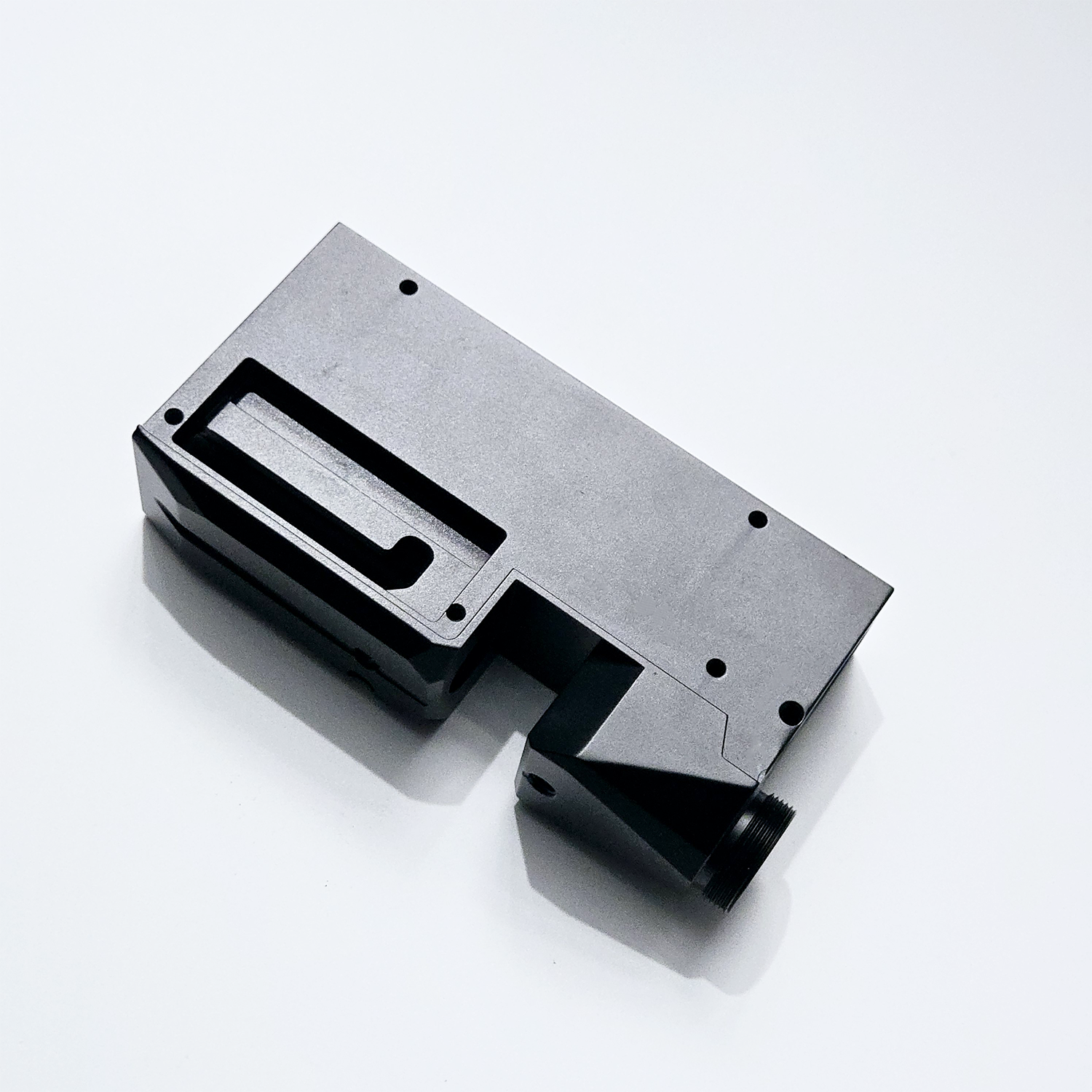
The cost advantage of Chinese CNC machining services is pretty substantial, around 30 to maybe even 50 percent cheaper than what we see from companies in the West, based on some recent cost analysis reports from 2024. A bunch of factors contribute to these savings. Labor costs are obviously much lower there, with skilled workers charging about $6 to $8 an hour compared to the $30 plus that shops charge across North America and Europe. Plus Chinese manufacturers can buy materials in massive quantities which brings down prices further. Their production lines also tend to run smoother overall, cutting waste and speeding things up. For businesses looking at their bottom line, this price difference makes a real impact when considering where to outsource machining work.
Labor Cost Differences Between China and Western Countries
| Cost Factor | China (Per Hour) | Western Countries (Per Hour) |
|---|---|---|
| Machinist Wages | $6–8 | $30–50 |
| Quality Control Personnel | $7–9 | $35–60 |
| Engineering Support | $15–20 | $70–100 |
This labor arbitrage allows manufacturers to reinvest savings into larger production volumes or enhanced prototyping iterations.
Affordable Materials and Operational Expenses in China
Chinese manufacturers achieve these savings through:
- Localized material procurement: Aluminum and steel costs 20–25% less due to domestic mining and refining infrastructure.
- Energy efficiency: Electricity costs average $0.08–$0.12 per kWh, 30–40% below rates in Germany or California.
- Scaled operations: High-volume CNC workshops lower per-unit costs through 24/7 production schedules.
Comprehensive Cost Comparison: China vs. the West
A 2023 study of 200 manufacturing projects found total costs for CNC-machined components averaged $18.50/unit in China versus $41.20/unit in the U.S.—a 55% differential. These figures account for tooling, labor, materials, and logistics, demonstrating China’s structural advantages in cost-competitive manufacturing.
Integrated Supply Chain and Scalable Manufacturing Efficiency
China’s CNC machining ecosystem thrives on vertically integrated supply chains that consolidate material suppliers, precision tooling vendors, and production facilities within concentrated industrial clusters. This geographic proximity enables 30% faster material procurement cycles compared to fragmented Western supply networks, directly reducing lead times and logistics overhead.
Streamlined Material Sourcing and Production Workflow
Leading suppliers maintain localized inventories of aerospace-grade aluminum alloys, engineering plastics, and cutting tools, enabling just-in-time delivery to machining centers. A 2023 manufacturing efficiency study revealed clustered suppliers achieve 92% on-time material delivery rates versus 67% in decentralized models, minimizing production stoppages.
High Scalability for B2B Production Needs
Chinese CNC providers utilize modular production lines that scale from 500 to 50,000+ unit batches without retooling costs. During the 2022 global semiconductor shortage, one automotive client leveraged this flexibility to ramp sensor housing production by 300% in 8 weeks while maintaining ±0.01 mm tolerances.
Operational Efficiencies in Chinese CNC Facilities
Automated workflow systems coordinate 5-axis machining, CMM inspection, and packaging through centralized digital platforms. Real-time monitoring of spindle loads and tool wear patterns reduces defect rates by 18% versus manual tracking, according to a 2024 smart manufacturing report. This integration sustains 95% equipment uptime across multi-shift operations.
Balancing High Quality with Low Cost in Chinese CNC Services
Maintaining Precision and Quality Standards at Lower Prices
The Chinese CNC machining sector manages to offer competitive pricing without sacrificing accuracy thanks to their efficient production systems. Workers there typically earn around $6 to $7 per hour according to International Trade Centre data from 2023, which is about three quarters cheaper than what we see in Western countries. But it's not just about low wages. Many factories have invested heavily in automated processes and streamlined supply networks that actually cut down on waste and rework. Most notably, over 8 out of 10 manufacturers certified under ISO 9001 standards now use live quality checks during production. These systems help keep mistakes below half a percent even when working within extremely tight tolerances of plus or minus 0.005 millimeters. For companies looking at global manufacturing options, these factors combined make China an attractive choice for precision parts at reasonable prices.
Total Cost of Ownership vs. Initial Part Pricing
Smart outsourcing decisions require evaluating these key factors:
| Cost Component | China CNC Machining | Western Machining |
|---|---|---|
| Labor | 25–30% of Western costs | 4x higher base rates |
| Material Procurement | Localized supply chains | Import-dependent markup |
| Quality Assurance | Built into scalable workflows | Added audit layers |
| Lead Time | 15–20 days average | 30–45 days standard |
This holistic approach lowers total ownership costs by 38–52% compared to focusing solely on per-part pricing.
Data-Driven ROI of Outsourcing CNC Machining to China
According to a recent manufacturing industry survey from 2023, companies that moved their production operations to China ended up saving around $740,000 each year, and they saw returns on investment within just over a year. The numbers get even more interesting when looking at specific industries. Medical device makers have cut costs by about 40% when they go for those big volume aluminum machining deals. Meanwhile car parts suppliers are getting fantastic results too, with nearly all parts (like 99.1%) passing quality checks at prices that are only about 60% of what they'd pay domestically. All these figures point to one thing clear as day: smart outsourcing strategies not only save money right away but also give businesses a real edge in staying competitive over time.
Fast Turnaround and Rapid Prototyping Capabilities
Short Lead Times for CNC Prototypes and Production Runs
CNC machining companies in China typically get prototypes out within 5 to 7 workdays, while full production takes around 2 to 3 weeks. That's roughly 30 to 50 percent quicker compared to what we see in Western markets. The reason? Most Chinese manufacturers run everything in house these days. They handle raw materials, actual machining work, and quality checks all at the same facility. Take automotive firms as an example. One major client cut down their component development timeline by almost half, going from 14 weeks down to just 6 weeks. This has really helped speed things up for electric vehicle tech getting to market faster. Smart scheduling software keeps production running nonstop across multiple shifts, so parts move smoothly from digital designs on computer screens right into customers' hands.
Agile Manufacturing for Time-Sensitive B2B Projects
Chinese CNC manufacturing centers offer real flexibility when it comes to scaling up production quickly, going from initial prototypes all the way to runs of more than 10,000 units. This matters a lot for companies in aerospace and medical devices where regulations demand fast turnaround times. Take one American robotics company that managed to go through 12 different design versions in just three weeks to keep up with changing requirements. Normally, this kind of work would drag on for around eight weeks if they used regular Western suppliers. The key difference? Engineers and factory workers can work together in real time, so any changes needed get made within a day or two at most. This cuts down on delays that usually happen when departments aren't properly connected.
Real-World Case Studies: Cost Savings with Chinese CNC Partners
Case Study: Reducing Production Costs by 40% for a U.S. Tech Firm
An IoT startup based in Silicon Valley managed to cut down on component manufacturing expenses by around 40% after teaming up with a CNC machining firm in China. They kept their precision specs at about plus or minus 0.05 millimeters throughout the process. What really made this partnership work was the significant difference in labor costs. Engineering work in China runs between six to seven dollars per hour compared to twenty eight to thirty two bucks here in the US for similar tasks involving complex aluminum parts. These cost savings gave the company extra breathing room to pour money back into research and development efforts. As a result, what would have taken another year to get off the ground ended up hitting the market five whole months ahead of schedule.
Case Study: Scaling Medical Device Production Affordably
One medical device company managed to slash unit costs by around 30% after ramping up production of surgical instrument housings with help from a CNC shop in Guangdong. Being close to tungsten carbide suppliers meant they didn't have to pay those pesky import tariffs anymore. Plus, buying materials in bulk through local cooperatives shaved off another 18% on raw materials compared to what they used to pay in Europe according to that 2023 MedTech Sourcing Report. The whole operation stayed within ISO 13485 standards too. All told, these changes saved them approximately $240k during the first year alone, though getting everything set up properly did take some time and effort.
Measurable Savings Across Industrial and Automotive Sectors
Car part makers are seeing some serious savings when they team up with Chinese manufacturers for transmission components. The numbers range from about 22 to 35 percent lower costs, and one major supplier actually cut their annual expenses by around $220k just on those gearbox housings alone. For industrial equipment companies, China's supply chain network is a game changer too. Aluminum billets there typically cost about 12% less than what's seen globally according to the latest Metal Markets Review from 2024. All these cost reductions really add up over time as production continues. Looking at return on investment calculations, it usually takes about 14 months before companies start seeing their money back on tooling investments for large scale manufacturing projects.