
 EN
EN

Why Are CNC Machining Parts with Tight Tolerances Critical for Precision Products
How CNC Machining Achieves Tight Tolerances with High Precision
Sub-Micron Accuracy Through Advanced CNC Technology and Automation
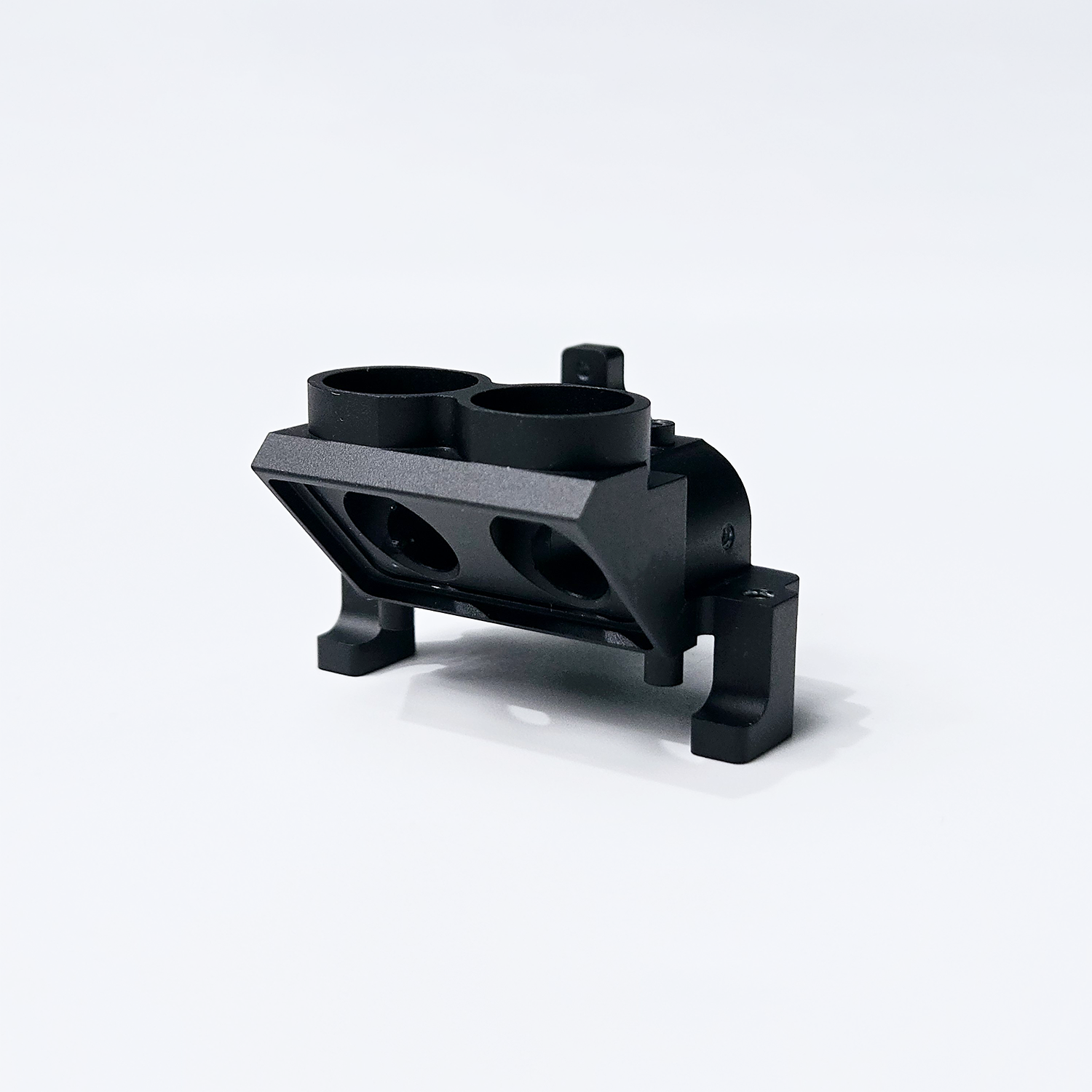
CNC machining today can hit sub-micron accuracy thanks to computer controlled systems that take out the guesswork from manual operations. The combination of high resolution encoders and those super accurate servo motors makes sure tools are positioned exactly where they need to be. Real time feedback loops keep things on track when there's even the slightest deviation during cutting processes. Most shops can now maintain tolerances around plus or minus 0.0001 inches which is about 2.5 microns give or take. Some manufacturers are starting to integrate AI into their machines too. These smart systems predict issues like heat expansion, tool wear over time, and vibrations that might affect finished parts. They make adjustments automatically long before these problems actually show up in the final product, saving both time and material waste.
Machine Precision, Tooling, and Equipment Requirements for Dimensional Accuracy
Getting down to those really tiny tolerance ranges requires machines built with exceptional precision in mind. Stability and consistency are absolutely essential here. When talking about critical parts, we're looking at things like linear guides that need to move smoothly without play, ball screws designed to have almost no backlash, and spindles where the runout gets measured in actual microns. The foundation matters too. Most shops go with granite bases because they stay dimensionally stable even when temperatures fluctuate, though some newer setups use polymer concrete which also resists warping over time. Tool selection can't be overlooked either. Carbide end mills coated with diamond-like carbon last longer and keep their cutting edges sharp much better than regular tools. For intricate details, micro grain carbide tools provide that extra stiffness needed to hold shape during complex cuts. And let's not forget about how tools get held in place. Good quality hydraulic or shrink fit chucks make all the difference by keeping TIR readings extremely low, which means parts come out exactly as intended even when running at top speeds.
Thermal Compensation and Environmental Controls in CNC Systems
Changes in temperature are still one of the biggest headaches when it comes to getting accurate dimensions in precision machining work. Modern CNC machines fight back against these issues by incorporating built-in thermal sensors that keep track of everything from spindle temps to bed temperatures and component readings, making automatic adjustments as materials expand or contract. Shops usually try to keep their ambient temps pretty tight, often within about plus or minus 1 degree Celsius through climate control systems. Coolant management also plays a big role here since stable coolant temps help prevent unwanted growth in workpieces caused by heat buildup. At the top end of the market, some really sophisticated operations go even further with fully climate controlled machining areas where both temperature and humidity levels are carefully regulated. This helps reduce material expansion over time and maintains that critical dimensional stability needed for those super fine tolerances down at the sub-micron level.
Critical Applications of Tight Tolerance CNC Machined Parts in Key Industries
Aerospace and Medical Devices: Demanding Tolerance Ranges (±0.0001" to ±0.005")
The aerospace and medical manufacturing industries cannot afford even tiny measurement errors because these often result in complete system failures. Take turbine blades for instance they need tolerances as tight as plus or minus 0.0001 inches just to handle the intense stresses during flight operations. The same goes for critical parts like structural airframe elements and landing gear systems. When it comes to medical devices, things get equally demanding. Implants and surgical tools must satisfy strict biocompatibility rules while maintaining exact geometric specifications that literally determine whether patients stay safe or face complications from poorly functioning equipment. Both fields have regulatory bodies watching closely, so manufacturers must keep detailed records and stick strictly to those tolerance specs. This is why most companies rely heavily on CNC machining not only to meet legal requirements but also to maintain day-to-day reliability across their production lines.
Automotive and Semiconductor Manufacturing: Reliance on Precision Components
Cars depend heavily on parts machined with extreme precision including engine blocks, fuel injectors, transmission gears, and brake components. These need measurements accurate down to thousandths of an inch so engines run efficiently, produce fewer emissions, and keep passengers safe during operation. When it comes to making semiconductors, things get even smaller since features are measured in nanometers. A tiny mistake in dimensions here means whole batches of wafers might be thrown away. That's why CNC machining plays such a vital role in creating those super precise molds, fixtures, and other critical parts needed for photolithography processes and wafer handling equipment. The quality of these machined components actually affects how many good chips come out of each batch and determines whether products perform reliably when manufactured at large volumes.
Impact of Tight Tolerances on Product Performance, Safety, and Reliability
Tight tolerances are not arbitrary design constraints—they are foundational to the safe, reliable operation of complex mechanical and electronic systems. Deviations beyond specified limits compromise fit, function, and longevity, potentially leading to catastrophic failures in mission-critical applications.
Consequences of Tolerance Failure: Assembly Issues and Safety Hazards
When components don't meet their specified tolerances, they usually cause problems during assembly like parts not lining up properly, getting stuck together, or having too much space between them. This kind of issue leads to faster wear on equipment, creates annoying vibrations, and makes machines more likely to break down completely. The consequences are especially serious in industries like aviation and healthcare where part failure isn't just expensive but potentially deadly. According to industry reports, parts that don't conform to tolerance specs account for a major chunk of production rework, project delays, and violations of regulations. Manufacturers who want to stay competitive simply cannot afford sloppy tolerance control if they're going to produce reliable products consistently.
Dimensional Accuracy and Part Fit: Ensuring Functional Integrity
Getting parts to fit together right from batch to batch depends heavily on tight dimensional control. When it comes down to things like pressing bearings into place or setting up optical mounts, the whole thing hinges on having just the right amount of space between components. CNC machines handle all this because they run stable operations, follow precisely measured cutting paths, and constantly check themselves during production. Parts end up fitting exactly how they should. What does this mean for actual use? Components perform predictably when put into service, require less frequent adjustments, and generally last longer even under tough operating conditions where tolerances matter most.
Material Behavior and Dimensional Stability Under Operational Stress
When materials are subjected to heat changes, physical forces, or different environmental conditions after being machined, they tend to change shape over time. Things like expanding when heated, releasing built-up internal stresses, and gradual deformation under constant load all impact how stable parts remain in the long run, especially with advanced metal alloys and plastic compounds used in critical applications. Today's computer numerical control systems try to handle these issues by predicting potential problems ahead of time, incorporating special cooling periods during production, and making adjustments while the part is still on the machine. Most shops combine careful temperature management with flexible machining approaches so finished products keep their exact measurements even when exposed to varying pressures and temperature swings during actual operation.
Quality Control and Metrology in Tight Tolerance CNC Machining
Inspection Methods: CMM, Laser Scanning, and In-Process Metrology
Getting those tight tolerances right starts with having really accurate measurements. Coordinate measuring machines, or CMMs as they're often called, can get down to microns when checking important features on parts. Meanwhile, laser scanners handle those complicated 3D shapes quickly and with lots of data points. Some shops have gone even further by putting measurement probes right inside their CNC machines. These in-process systems let operators catch issues as they happen during actual production runs, so problems don't build up over time. Most quality control folks follow what's known as the ten-to-one rule in practice. Basically, whatever measuring tool is used needs to be at least ten times more precise than the tolerance requirements for the part being made. This helps keep things from slipping through quality checks when components are actually outside spec limits.
Compliance with SPC, ISO 9001, and AS9100 Standards for Traceability
Getting consistent quality right in precision machining really comes down to having good process control systems in place plus being able to track everything back through the production line. Statistical Process Control or SPC as it's known tracks important stuff like when tools start wearing out and how parts might slowly change dimensions over time. This helps spot problems early before they actually mess up the final product. Companies that get certified under standards like ISO 9001 and AS9100 have to maintain proper documentation throughout their operations, go through regular checks, and keep detailed records all along the supply chain. These days digital traceability systems connect every single part made with its complete machining history, what batch of materials was used, results from inspections, and even who operated the machines. This creates solid evidence that products meet specifications, which matters a lot in sectors such as aerospace or medical device manufacturing where getting things wrong could lead to serious consequences.