
 EN
EN

Titanium Vs. Aluminum: Lightweight Metal which is suitable for your project
Strength-to-Weight Ratio and Structural Performance in CNC Applications
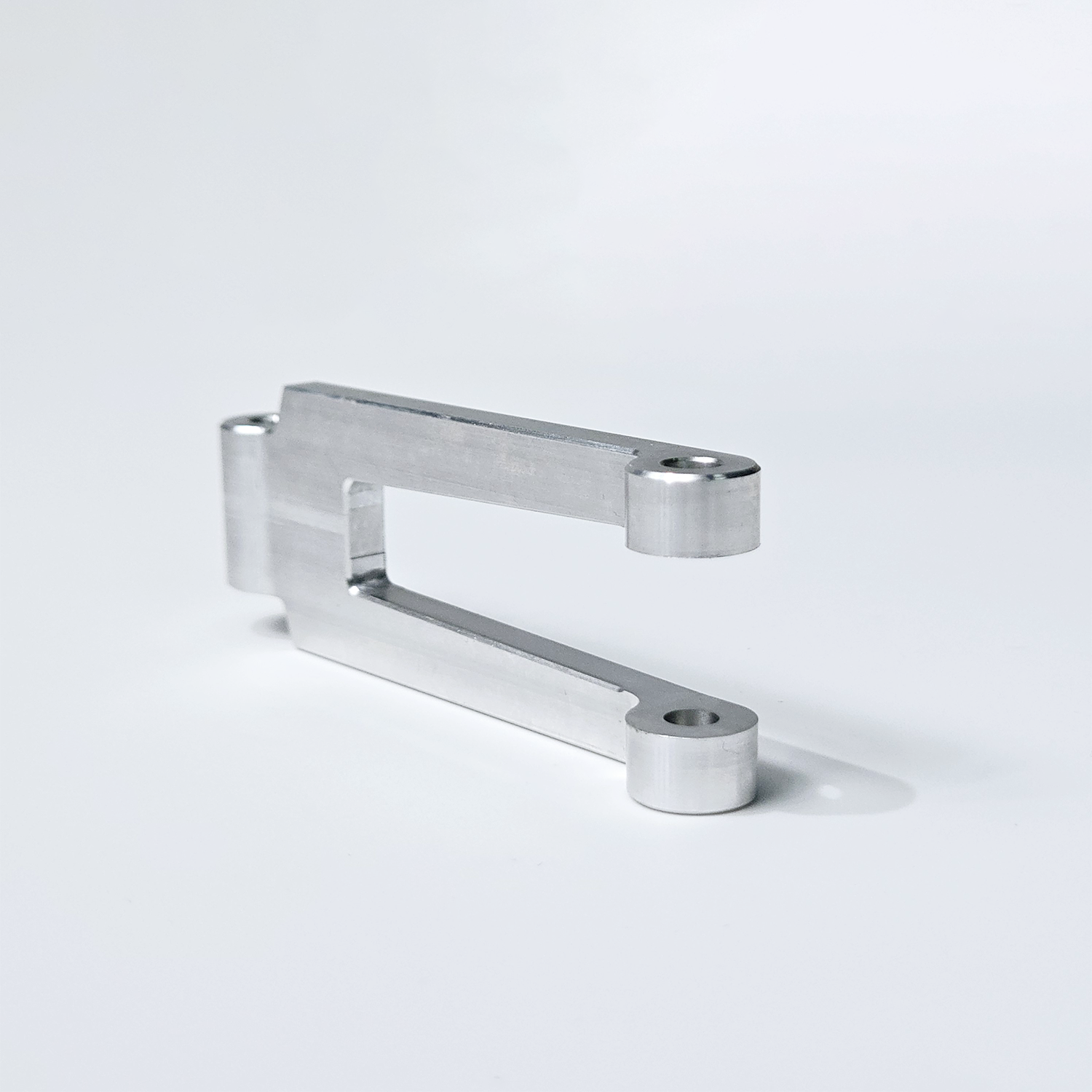
Titanium's High Strength-to-Weight Ratio and Its Engineering Significance
When it comes to CNC machining materials, titanium stands out because of its incredible strength compared to its weight. It actually holds up just as well as stainless steel but weighs about half as much. According to the World Materials Database from 2023, titanium has a specific strength rating around 260 kN m/kg. This makes it possible to create parts that are both light and strong enough for things like airplane components and surgical implants where they need to withstand pressure without adding unnecessary bulk. The real advantage becomes clear when we look at practical applications. For aircraft manufacturers, every gram saved translates into better fuel economy over long haul flights. In medical devices, lighter implants mean less strain on surrounding tissues during movement, which doctors consider extremely important for successful patient outcomes.
Comparison of Tensile Strength Between Titanium and Aluminum
Titanium alloys such as Ti-6Al-4V have tensile strengths ranging from around 900 to 1,200 MPa, which puts them on par with structural steel. Aluminum by comparison usually falls somewhere between 200 and 600 MPa in strength. Even though aluminum weighs less than half what titanium does (about 2.7 grams per cubic centimeter versus 4.4 for titanium), this doesn't compensate for its weaker mechanical properties when put under stress. For those working with precision CNC machines where parts need to hold up against significant weight or force, many manufacturers still go with titanium for critical load bearing parts despite the fact that it costs more to machine.
Density and Weight Differences Affecting Performance in Precision Components
A CNC-machined titanium flight control component weighing 1.2 kg can match the structural integrity of a 2.3 kg aluminum equivalent, achieving a 47% weight reduction. This significantly enhances aircraft payload capacity and reduces energy consumption. However, aluminum remains widely used in electronic enclosures and heatsinks, where thermal performance outweighs stringent weight constraints.
Case Study: Material Selection in Aerospace CNC-Machined Parts
When engineers went back to the drawing board for a satellite mounting bracket design, they managed to cut down on weight by nearly 30% simply by replacing aluminum 7075 with titanium Grade 5. The catch? They had to meet that same 850 MPa fatigue strength spec as before. Sure, the price tag jumped by around $2,400 for the better material, but look at it this way: over the whole life of the spacecraft, those extra bucks saved them $18,000 worth of fuel costs. Makes sense when we think about it, right? Titanium might cost more upfront, but in the world of aerospace CNC manufacturing, those long term savings really add up.
Thermal Behavior and Machinability in CNC Machining Processes
Thermal Conductivity Comparison: Aluminum’s Cooling Advantage vs. Titanium’s Heat Resistance
Aluminum has really good thermal conductivity at around 235 W/mK which means it can get rid of heat pretty well when running those high speed CNC machines. This helps keep tools from wearing out so fast and stops too much heat from building up in the system. On the flip side, titanium doesn't conduct heat nearly as well with only about 7.2 W/mK. What happens is the heat gets stuck right where the cutting takes place, and this makes parts more likely to warp or deform after machining. Some recent tests on CNC processes showed that aluminum actually moves heat away about three times quicker than titanium does. Still worth noting though, titanium holds its shape much better when things get hot for long periods. That's why we still see it used a lot in aerospace parts that need to withstand some serious temperature extremes without changing dimensions.
Heat Dissipation Challenges in High-Speed CNC Machining
When spindle speeds go above 15,000 RPM during titanium machining, things get really hot fast - sometimes reaching over 600 degrees Celsius. That kind of heat means shops need special cooling solutions like liquid cooled tool holders or even cryogenic systems just to keep those pesky thermal expansion issues at bay. Aluminum handles heat better on its own, but there's a catch. The metal expands quite a bit more than titanium does (23.1 micrometers per meter degree Celsius versus only 8.6 for titanium). This difference can actually shift precision parts by tiny amounts after long machining runs. Looking at thermal stability data reveals something interesting too. Titanium cuts down on post machining distortion by around 40 percent compared to aluminum, which makes it especially valuable for making turbine blades where even the smallest dimensional changes matter.
Tool Wear, Cutting Efficiency, and Production Costs in Titanium vs. Aluminum Machining
The hardness of titanium around 36 HRC really takes a toll on tools, making carbide inserts wear out twice as fast when compared to working with aluminum. Because of this, manufacturing parts from titanium ends up costing anywhere between 60 to 80 percent more in aerospace applications where precision matters most. On the flip side, aluminum's much softer nature at approximately 15 to 20 HRC lets machinists run their equipment 2 to 3 times quicker, which is why we see so many car manufacturers relying on it for mass producing components. While there are ways to bring down some of those titanium costs through special coatings on cutting tools and better path planning during machining, nothing beats aluminum when it comes to budget friendly mass production where getting things done quickly is absolutely essential.
Corrosion Resistance and Long-Term Durability in Demanding Environments
Titanium's Surface Stability and Corrosion Resistance in Harsh and Marine Environments
Titanium stands up well against corrosion even in harsh environments because of its unique oxide layer that keeps repairing itself when exposed to saltwater, various acids, and industrial chemicals. Because of this property, engineers often choose titanium for parts used in marine settings like ship propeller shafts or complex offshore fluid handling systems. Some newer titanium alloys can actually hold their strength in very acidic conditions down to pH level 3, which is pretty impressive given what we know from materials studies lately. These properties mean these components can last many years before showing signs of wear or failure.
Oxidation and Galvanic Corrosion Risks in Aluminum Under Industrial Conditions
Aluminum tends to oxidize pretty quickly when exposed to moisture or salt air, creating a fragile outer layer that messes with the dimensional stability of parts made through CNC machining. Put aluminum next to other metals in an assembly, and watch out for trouble because its electrochemical properties actually speed up galvanic corrosion between different metal components. Some accelerated tests have revealed something interesting too aluminum couplings break down about five times quicker compared to titanium ones when subjected to marine conditions. This makes them less trustworthy for applications where corrosion resistance matters most.
Lifecycle Maintenance: When Lighter Aluminum Demands More Upkeep Than Titanium
Aluminum definitely cuts down on component weight quite a bit compared to titanium, maybe around 40 to 60 percent depending on the application, but there's a catch. The problem is that aluminum corrodes much easier than titanium does, which ends up costing more over time. When we apply protective coatings such as anodizing, that adds roughly 15 or so percent to the price tag of each part. And these coatings don't last forever either. In really tough environments, they need to be reapplied somewhere between three and five years later. That's why many industries still go for titanium despite the higher upfront cost. Titanium just lasts longer without needing constant maintenance, making it worth the investment for things where reliability matters most, like aerospace components or medical implants where failure isn't an option.
Applications Across Aerospace, Medical, and Automotive Industries
Aerospace and aviation: Balancing weight, strength, and reliability through material choice
When it comes to making parts that really matter in airplanes, titanium is what engineers reach for. Think turbine blades or those important structural fittings where safety absolutely depends on getting the balance right between strength and weight. Sure, it costs more than other materials, but sometimes paying extra makes sense when lives are at stake. For things that don't need to hold everything together though, aluminum alloys work great. They're often found in interior panels and similar areas where weight savings count. According to recent industry data from 2023, switching from steel to aluminum can cut down weight by somewhere around 30 to 40 percent. Computer Numerical Control (CNC) machines handle both metals with amazing precision these days. The tolerances they achieve are under 0.005 inches for engine mounts made of titanium as well as wing ribs crafted from aluminum. This level of exactness isn't just impressive technically it actually helps planes fly better because lighter aircraft consume less fuel during flights.
Medical device innovation driven by titanium’s biocompatibility and CNC precision
The reason why titanium has become so popular for joints? Its amazing ability to work well inside the body. About 9 out of 10 joint replacements today use this metal, and when made with computer controlled machining, these implants have shown nearly perfect results in recent tests from last year. The fancy five axis machines can actually carve special textured surfaces onto hip implants that help bones stick better than traditional casting methods do, maybe around 40% improvement or so. Aluminum does show up in some medical devices where MRI compatibility matters, but doctors tend to avoid putting it directly against patients because it corrodes over time. Titanium doesn't have this problem thanks to its naturally protective outer layer that just keeps getting stronger once exposed to air.
Automotive applications: Lightweighting for fuel efficiency without sacrificing durability
About 60 percent of today's engine blocks are made from aluminum, which cuts down on vehicle weight somewhere around 100 to 150 pounds without sacrificing how well they handle heat. When it comes to transmissions, those CNC machined aluminum housings actually boost fuel efficiency compared to traditional iron castings by roughly 5 to 7 percentage points. And let's not forget about gears either – when manufacturers go with precision tools rather than stamping processes, these components tend to stick around for two or even three times longer before needing replacement. For high performance cars, many makers turn to titanium for their exhaust systems because this metal can take the heat (literally) up past 600 degrees Celsius without bending out of shape. That kind of heat resistance means parts built with titanium hold up about three times better than regular stainless steel ones during intense racing scenarios.
Cost Analysis and Material Selection for B2B Engineering Projects
Upfront Cost Comparison: Why Titanium Is More Expensive Than Aluminum
Titanium comes with a hefty price tag because extracting it is complicated and there just aren't that many places where we find good quality deposits. A recent report by ESACorp in 2023 showed that refined titanium can cost anywhere between four to six times what aluminum does per kilogram. Aluminum has it easier since bauxite is pretty plentiful around the world and the smelting process isn't so energy hungry. Titanium tells a different story altogether. The industry relies on something called the Kroll process, which guzzles about ten times more energy for each ton produced. When looking at smaller production batches, say anything below 300 units, manufacturers often save somewhere between sixty to eighty percent on materials simply by choosing aluminum over titanium.
Total Lifecycle Cost vs. Initial Material Expense in Industrial Procurement
Despite higher upfront costs, titanium reduces long-term maintenance. Aerospace manufacturers report up to 40% lower maintenance costs over 15-year service periods compared to aluminum alloys, based on 2024 lifecycle analysis. The data illustrates key tradeoffs:
| Factor | Titanium | Aluminum |
|---|---|---|
| Initial Material Cost | $75–$120/kg | $3–$8/kg |
| Machining Time | 25–40% Longer | Industry Standard |
| Replacement Cycles | Every 8–10 Years | Every 3–5 Years |
How to Choose Based on Budget, Performance, and CNC Requirements
Select aluminum when:
- Projects involve tight budgets and high volumes (¥1,000 units)
- Components operate in controlled, non-corrosive environments
- Weight reduction is a priority, but extreme strength isn’t required
Opt for titanium when:
- Parts must maintain sub-0.5 mm tolerances under thermal stress
- Exposure to saltwater or chemicals exceeds 500 hours annually
- Certifications demand biocompatibility or flame resistance (e.g., medical/aerospace)
For CNC machining, account for titanium’s low thermal conductivity—it increases tooling costs by 15–20% but enables reliable performance in high-temperature applications where aluminum would deform.