
 EN
EN

How to Order Custom Machined Aluminum Parts for Diverse Industrial Applications
Time : 2026-02-02
Why Aluminum Is Preferred for Custom Machined Parts
Superior Machinability, Strength-Weight, Corrosion Resistance for Aerospace, Auto, Medical
When it comes to making custom machined parts, aluminum has become the go to material across many industries including aerospace, automotive manufacturing, and medical device production. Why? Because it combines several important properties that make machining easier while still maintaining structural integrity even under tough conditions. Aluminum isn't as hard as steel, plus it conducts heat really well, so tools last longer and machines can work faster. This means factories save time on production runs sometimes cutting down cycle times by around 70 percent when switching from steel components. And those savings translate directly into lower costs per part when producing large quantities. Another big advantage is how light yet strong aluminum actually is. The strength to weight ratio is about twice what we see in mild steel, allowing engineers to build parts that support heavy loads without making vehicles or planes unnecessarily heavy something absolutely essential for electric cars trying to maximize range and airplanes needing to carry more cargo efficiently. Plus there's the fact that aluminum naturally forms a protective oxide layer over time, which helps resist corrosion. For applications where this matters most like boats exposed to saltwater, surgical instruments requiring sterilization, or equipment used outdoors in harsh weather conditions manufacturers often apply additional coatings through processes like anodizing to boost durability even further.
6061-T6 vs 7075-T6: Cost, Strength, Finishability for Custom Parts
Choosing between 6061-T6 and 7075-T6 hinges on application priorities—not just performance, but manufacturability and total cost of ownership.
| Property | 6061-T6 | 7075-T6 |
| Cost | Lower, cost-effective for budgets | Higher, premium pricing |
| Strength | Moderate, suitable for structural | High, excels in high-stress uses |
| Finishability | Excellent, easy to anodize/polish | Good, but harder to machine |
| Applications | General industrial, automotive | Aerospace, defense components |
When it comes to prototypes, enclosures, and those medium duty structural components, 6061-T6 is still the material of choice for many shops. The reason? It machines pretty easily, welds without too much trouble, and gives that nice consistent finish after anodizing. On the flip side, 7075-T6 presents some real challenges during milling operations and can be quite unforgiving when working with thin walls or tight tolerances. But what this alloy lacks in workability, it makes up for in sheer strength that rivals aerospace standards. For applications where maximum performance is absolutely necessary despite higher costs and manufacturing difficulties, 7075-T6 might be worth considering. Most experienced engineers know to start by looking at what the part needs to do functionally before worrying about how to make it. Getting suppliers involved early helps avoid those unpleasant surprises later on down the road.
End-to-End Ordering Process
CAD, GD&T, Surface Finish: Ensuring Manufacturability & Compliance
Getting things right starts with a good CAD model that can actually be manufactured. The geometry needs to be clean and watertight, with all materials specified properly like AL 6061-T6, along with heat treatment details and proper feature markings. When engineers include GD&T standards from ASME Y14.5 right in the design, they tend to cut down on revisions by around 30% as found in a study published in the Journal of Manufacturing Systems last year. These geometric dimensioning and tolerancing specifications really help clarify what parts need to do functionally speaking. For instance, they show exactly where mounting holes should go and how much runout is acceptable on rotating components. This prevents those expensive misunderstandings later on during production. And don't forget surface finishes either. Choosing the right finish isn't just about looks it has to meet both performance requirements and regulatory standards too.
| Finish Type | Typical Ra (μm) | Common Application |
| As-Machined | 3.2 | Non-critical enclosures |
| Anodized | 0.4–0.8 | Wear-resistant aerospace components |
| Bead Blasted | 1.6–2.5 | Aesthetic medical devices |
For regulated industries—such as FDA-regulated food processing or ISO 13485-certified medical devices—specify coatings and processes validated for biocompatibility or cleanability, not just appearance.
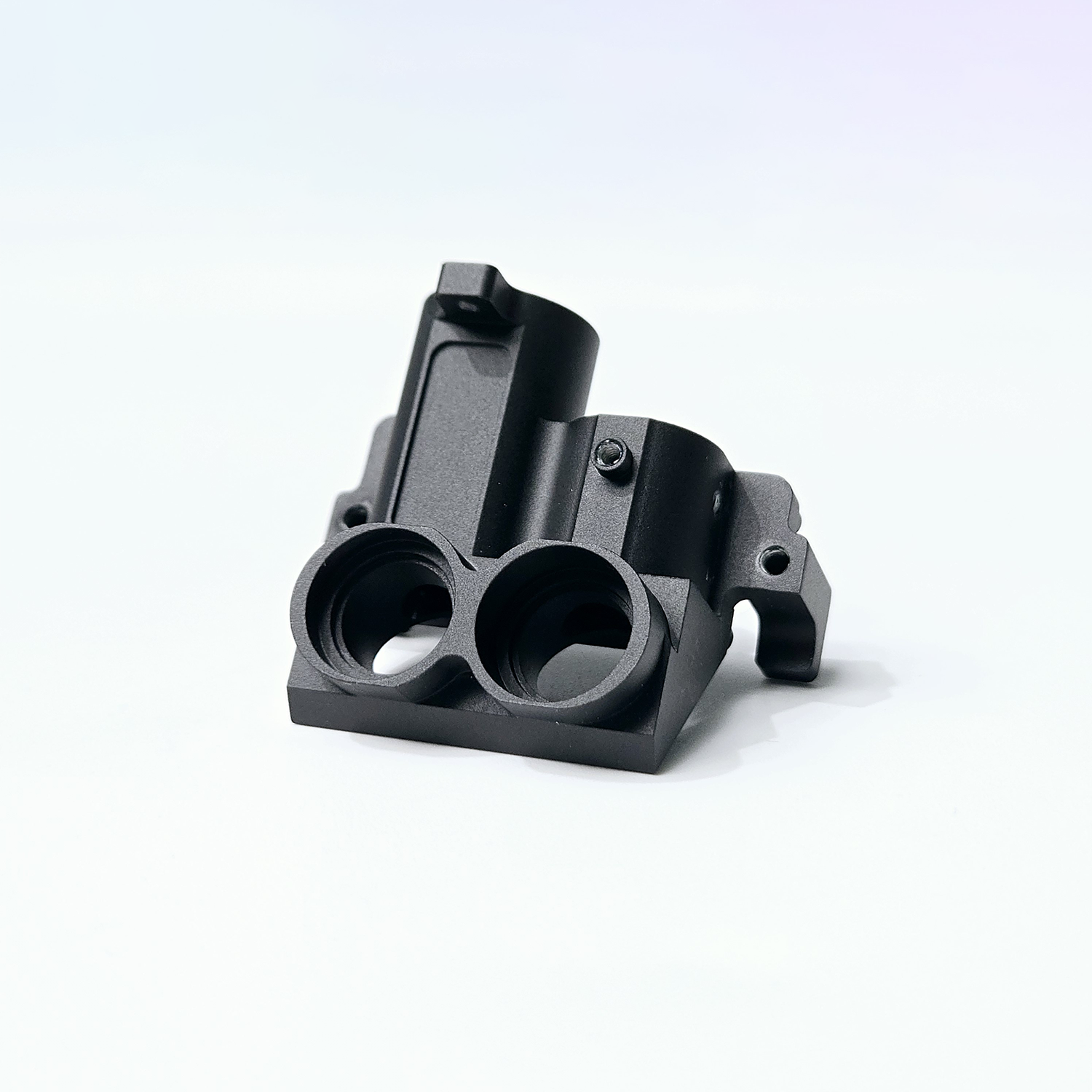
Supplier Evaluation: ISO 9001, Metrology, NDA, Rapid Prototyping
The best suppliers function more like extended members of the engineering team rather than mere vendors. Look for companies with ISO 9001:2015 certification since studies from Quality Progress show these firms tend to have around 48% fewer defects in their products. When vetting potential partners, check if they actually do their final inspections on site with proper equipment. Most good ones will use CMM machines to verify dimensions, optical comparators to check profiles, and special testers to measure surface roughness. With designs that contain sensitive intellectual property, make sure there are solid NDAs in place along with real cybersecurity measures. Think about things like encrypted transfers or secure portals for sharing files. And don't forget about how quickly they can prototype. The really top notch suppliers can get CNC machined working prototypes out the door within three days flat. This kind of speed helps validate designs faster and can cut down time getting products to market by somewhere between 35-45% depending on circumstances.
Cost & Lead Time Optimization for Custom Aluminum Parts
DFM Levers: Part Consolidation, Standard Holes, Tolerance Rationalization
Design for Manufacturability doesn't mean sacrificing functionality; it's really about cutting out unnecessary expenses. When companies merge multiple components into one custom machined aluminum piece, they slash down on inventory management headaches, cut back on assembly work hours, and eliminate those pesky weak spots that tend to fail first. Taking standard hole sizes seriously matters too (#43, quarter inch, M6 are good bets). No need to spend extra bucks on special tools when regular ones will do just fine. The biggest money saver? Getting smart about tolerances. Tight specs like plus or minus 0.002 inches should be reserved for areas where things actually need to fit together properly. Looser tolerances elsewhere save tons of time at the machine shop. We've seen cases where going from 0.005 to 0.010 inch tolerance shaved off 40% of milling costs alone. All these thoughtful decisions typically knock between 15 and 30 percent off overall production costs without hurting product quality, plus orders get delivered faster as well.
Early Supplier Engagement Cuts Iterations, Speeds Time-to-Part 40%
Getting the manufacturer involved during the design phase before locking down those final drawings turns potential problems into advantages. Real world machinists see things that just don't show up on computer models. They notice stuff like those tricky undercuts that need EDM work, thin walls that will chatter during machining, or those deep pockets that go beyond what regular tools can handle. These experts then suggest better ways forward. According to manufacturing stats we've seen, this kind of teamwork reduces the number of times products need to be redesigned by around two thirds. Combine this approach with having prototypes made in house, and the whole feedback cycle goes from taking weeks down to just days. First article approvals come through about 40 percent quicker compared to when companies follow the old school method of designing everything first and then handing it off to manufacturing later. Plus, getting early input helps pick the right materials, figure out where coolants should go, and design proper fixtures for holding parts in place. All these factors contribute to better accuracy, consistent results, and improved production rates across the board.